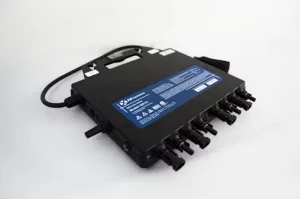
GPS technology today is widely used in various spheres like telecommunications, transportation, surveying, military, agriculture, research work, and fleet management. With the increasing number of GPS devices needed at a single facility, installing additional antennas for each device will become costly, complex, and problematic.
Fortunately, GPS signal splitters help solve all these problems, as they allow installing just one antenna, distributing the signal between several devices, and ensuring reliable functioning of the whole system. In that way, you can save money and effort by optimizing your GPS installation.
If you are thinking about building your own GPS system or upgrading the current one, this information will be useful for you, as it will help you make your system more effective and manageable.
Below are the ways the use of a GPS signal splitter helps optimize GPS installations.
1. Enables A Single GPS Antenna To Support Multiple Receivers
One of the greatest advantages of using a GPS signal splitter is its ability to allow one GPS antenna to supply positioning signals to multiple receivers at the same time. Instead of installing individual antennas for every GPS device, the splitter distributes the incoming satellite signal efficiently across connected receivers.
This capability is especially valuable in environments where several systems require synchronized GPS timing or positioning information. Communication networks, broadcasting facilities, laboratories, and industrial monitoring stations often depend on multiple GPS receivers operating simultaneously. A signal splitter makes this possible while minimizing hardware requirements.
2. Reduces The Need For Multiple GPS Antennas
Multiple GPS antenna installations can turn out to be costly and complicated, especially when installing on rooftops, communication masts, or places with limited space for mounting.
Using a GPS signal splitter cuts down on this complication by enabling just one good GPS antenna to serve many receivers at once. In doing so, fewer antennas will have to be installed, yet all receivers will be receiving GPS information reliably.
Installation of fewer antennas means less visual pollution and fewer structural alterations. Places that consider visual appeal, safety, or even building regulations will favor such installations.
3. Simplifies Cable Management
One of the most difficult processes associated with GPS installations is cable management. Using different cables for each antenna that will be connected to separate receivers causes cable routing difficulties and increases installation and troubleshooting time.
Using a GPS signal splitter makes cable routing much simpler since, instead of having many long cables from antennas to the equipment room, there will be one cable from the antenna to the signal splitter. And then the splitter will send the signal to each receiver connected to it.
This organized approach reduces cable congestion while making future maintenance significantly easier. Technicians can quickly identify cable routes, perform inspections, and replace components without dealing with a tangled network of wiring.

4. Lowers Installation Costs
Setting up various GPS antennas is not limited to the purchase of the antennas. The cost of labor, the installation accessories, cables, connectors that are weatherproof, access to the roofs of buildings, and the maintenance of the process are some of the expenses involved in the whole installation process.
A GPS antenna splitter works towards reducing such expenses by enabling one antenna to connect to various GPS receivers. The use of fewer antennas means there are fewer mounting accessories and less cable installation.
The cost-saving benefits become more noticeable in cases where a lot of receivers are involved in the installation process. Such instances include telecommunications sites, data centers, transport terminals, and scientific laboratories.
5. Supports Multi-Receiver GPS Systems
Many industries rely on multiple GPS receivers working together to provide synchronized timing, navigation, monitoring, or positioning data. These systems often operate continuously and require consistent access to high-quality satellite signals.
A GPS signal splitter is specifically designed to support these multi-receiver environments by delivering GPS signals simultaneously to numerous devices without requiring separate antennas for each receiver.
This capability is particularly valuable in applications such as network synchronization, aviation systems, emergency response infrastructure, transportation management, military communications, and precision scientific research. Multiple receivers can perform different functions while receiving signals from the same antenna source.
6. Distributes GPS Signals Reliably
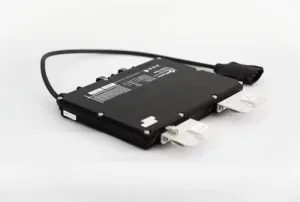
Signal distribution is one of the main features of any good GPS installation. All the connected receivers rely on receiving satellite data to fulfill their tasks. If the signal is not distributed properly, it might result in positioning mistakes, synchronization problems, and many other kinds of malfunctions.
Modern GPS splitters are specially made to distribute the incoming signals equally on multiple outputs. Reliable splitters reduce losses and make sure that all the receivers receive an efficient GPS signal.
Additionally, many high-end splitters have an internal amplifier, while others may be used along with external GPS signal amplifiers if necessary. This guarantees reliable signal performance regardless of the size of your installation and the number of devices.
Reliable distribution is especially important for mission-critical environments where system downtime cannot be tolerated. The broadcasting industry, telecommunications companies, transportation infrastructure, and emergency service agencies all depend on efficient GPS signal distribution.
Conclusion
A GPS signal splitter presents a great solution for companies that require multiple GPS receivers working off a single antenna.
Using a single antenna for multiple receivers, reducing the number of required antennas, simplifying the cabling process, cutting down on installation costs, accommodating multiple receiver systems, ensuring reliable signal distribution and signal integrity, it helps in building a cleaner and more effective GPS network. It is a perfect fit for industries that rely on positioning and accurate timing on a daily basis.
As GPS networks continue to grow in various sectors, including commercial, industrial, and scientific fields, employing a GPS signal splitter would go a long way in increasing efficiency while minimizing complexities and future maintenance issues.