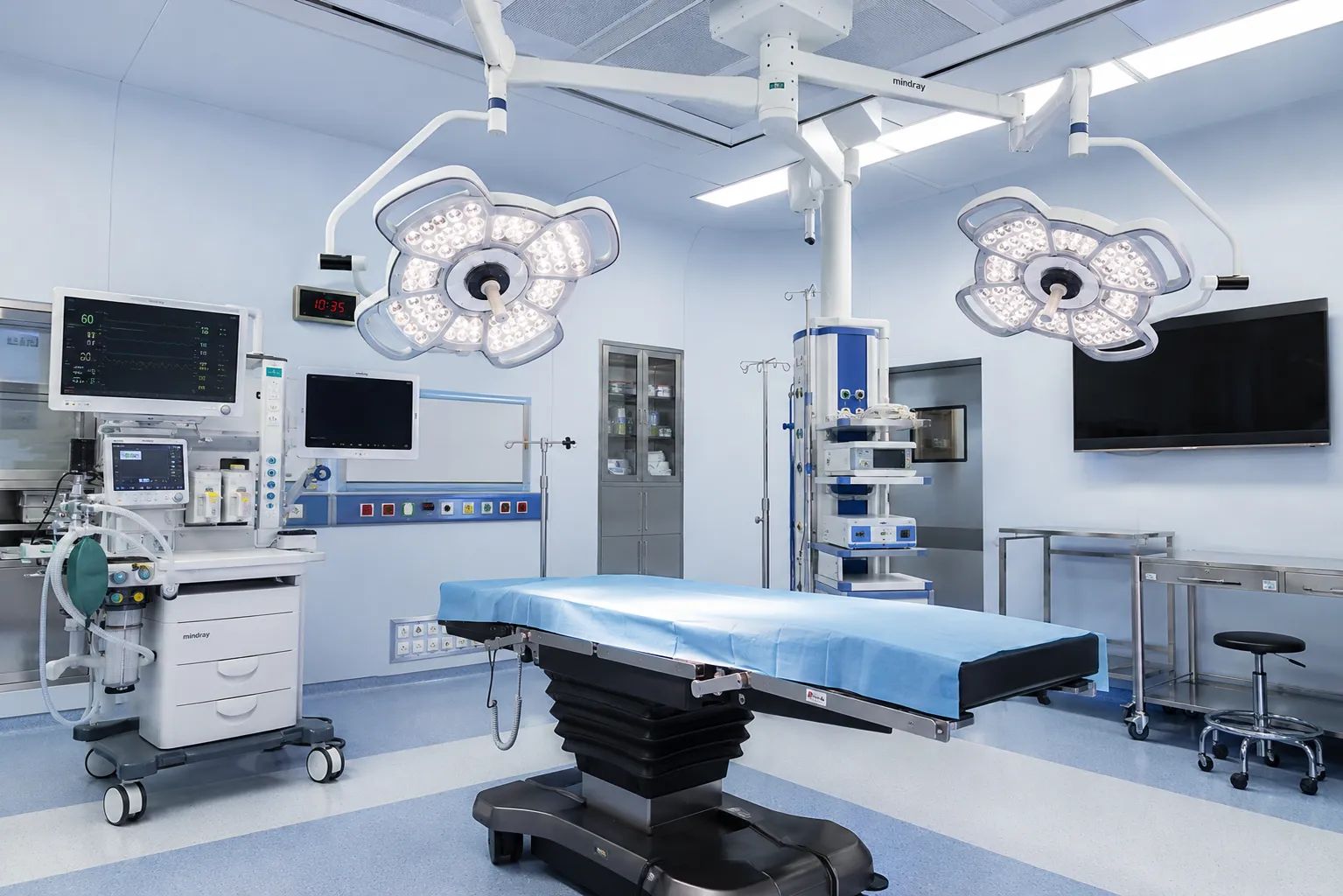
Modern operating rooms depend on carefully designed healthcare lighting solutions that support clinical precision, staff efficiency, and patient safety. While surgical teams rely on advanced medical equipment throughout a procedure, lighting remains one of the most important environmental factors influencing visibility and workflow. Selecting the right lighting requires balancing technical performance with practical considerations such as ergonomics, maintenance, infection control, and long-term operational value.
Healthcare facility managers, operating room planners, procurement specialists, and biomedical professionals all play a role in evaluating lighting systems that meet the needs of today’s surgical environments.
Illumination Quality That Supports Clinical Performance
High-quality illumination is essential during surgical procedures. Shadows, inconsistent light intensity, or poor color rendering can affect a clinician’s ability to distinguish tissue and anatomical structures accurately.
Modern LED surgical lighting has significantly improved operating room illumination by providing bright, uniform light with adjustable intensity. Consistent color temperature and strong color rendering help maintain visual accuracy throughout procedures, while minimizing glare and eye fatigue for surgical teams.
Lighting systems should also provide sufficient depth of illumination, allowing clinicians to maintain clear visibility even when personnel or equipment partially obstruct the light field. This becomes especially important during longer or more complex procedures where maintaining uninterrupted clinical visibility is critical.
Selecting lighting that performs consistently across different specialties helps healthcare facilities maximize the usefulness of each operating room while supporting a wide range of surgical applications.
Ergonomics and Workflow Efficiency in the Operating Room
Lighting design influences more than visibility. It also affects how efficiently surgical teams can work within a busy operating room.
Ceiling-mounted surgical lights should be easy to position and capable of maintaining stable alignment throughout a procedure. Smooth movement, balanced suspension systems, and intuitive controls allow clinicians to adjust lighting quickly without disrupting workflow.
As healthcare facilities continue integrating imaging equipment, surgical booms, monitors, and other ceiling-mounted infrastructure, careful planning is needed to prevent interference between devices. Lighting systems should fit comfortably within the overall room layout while preserving clear access to the patient and supporting efficient staff movement.
When evaluating different surgical lighting systems, healthcare organizations often compare features such as positioning flexibility, illumination patterns, integration capabilities, and maintenance requirements to determine which configuration best supports their clinical workflows.
Infection Control and Reliability Considerations
Healthcare lighting solutions must also contribute to safe and hygienic operating environments.
Modern surgical lights are typically designed with smooth, sealed surfaces that simplify cleaning and reduce areas where dust or contaminants may accumulate. Handles are often removable or sterilizable, helping facilities maintain infection prevention protocols between procedures.
LED technology offers additional operational advantages by generating less heat than many traditional lighting systems. Lower heat output can improve comfort within the operating room while reducing unnecessary strain on environmental control systems.
Reliability is equally important. Surgical procedures cannot be interrupted because of equipment failure, making dependable lighting an essential part of healthcare facility planning. Long-lasting LED components generally require less frequent replacement, helping reduce maintenance demands and minimizing disruption to clinical schedules.
Facilities should also consider serviceability, replacement part availability, and manufacturer support when assessing lighting solutions for long-term use.
Planning for Long-Term Value
Procurement decisions extend beyond initial purchase costs. Operating room lighting represents a long-term investment that should continue supporting evolving clinical requirements over many years.
Evaluating total cost of ownership includes considering energy efficiency, expected service life, maintenance schedules, and compatibility with future operating room upgrades. Systems designed for expansion or integration with additional technologies may provide greater flexibility as healthcare facilities modernize their surgical departments.
Healthcare organizations also benefit from reviewing installation requirements, training resources, warranty coverage, and technical support during the selection process. These factors can influence implementation timelines and ongoing operational performance just as much as the lighting specifications themselves.
By approaching lighting selection as part of a broader strategy for operating room design, facilities can improve clinical efficiency while supporting reliable, high-quality patient care.
Building Surgical Environments Around Performance
Effective operating room lighting is the result of thoughtful planning rather than simply choosing the brightest available fixture. Illumination quality, ergonomic design, infection control, reliability, and long-term operational value all contribute to lighting systems that support clinicians throughout a wide variety of procedures.
As surgical technology continues to advance, healthcare facilities that invest in purpose-built healthcare lighting solutions are better positioned to maintain safe, efficient, and adaptable operating environments. Careful evaluation of lighting performance alongside overall surgical workflow helps ensure operating rooms remain equipped to meet both current clinical demands and future healthcare needs.