CAPE CANAVERAL, FL — In a move that has sent shockwaves through global capital markets, SpaceX has officially submitted a confidential draft registration with the Securities and Exchange Commission (SEC) for an Initial Public Offering (IPO). The filing, confirmed by sources close to the matter on April 1, 2026, sets the stage for a historic debut on the Nasdaq in June 2026. This is not merely an aerospace listing; it is the birth of a new market heavyweight that seeks to redefine the "Magnificent Seven" and cement Elon Musk’s empire as the cornerstone of both terrestrial and extraterrestrial infrastructure.
The scale of the offering is unprecedented in the history of finance. SpaceX is reportedly targeting a valuation of $1.75 trillion, a figure that would make it the world’s sixth most valuable company upon listing. To support this valuation, the company aims to raise an eye-watering $75 billion from investors, a sum that would shatter the previous record held by Saudi Aramco’s 2019 debut. This massive capital influx is intended to accelerate the deployment of the Starlink "V3" constellation and fund the mass production of the Starship launch system, the vehicle Musk believes will finally make Mars colonization a financial reality.
The Trillion-Dollar Synergy: The xAI Merger and Starlink’s Dominance
The road to this $1.75 trillion target was paved by a strategic masterstroke in early 2026: the formal merger between SpaceX and Musk’s artificial intelligence venture, xAI. This consolidation transformed SpaceX from a rocket manufacturer into a "vertically integrated orbital intelligence" powerhouse. By integrating the Grok AI model directly into the Starlink satellite network, SpaceX has successfully pioneered space-based edge computing. This "compute-in-orbit" model allows for the processing of massive datasets—ranging from global climate monitoring to secure military communications—without the latency of terrestrial data centers. Analysts suggest that this AI integration alone added nearly $500 billion to the company’s internal valuation ahead of the filing.
The financial backbone of the IPO, however, remains Starlink. As of April 3, 2026, the satellite internet service has surpassed 17 million active subscribers globally, with 2026 revenue projected to exceed $22 billion. Unlike traditional aerospace companies that rely on lumpy government contracts, SpaceX now boasts a high-margin, recurring revenue stream that justifies its tech-style valuation multiples. Under the guidance of lead underwriters Morgan Stanley (NYSE: MS), Goldman Sachs (NYSE: GS), and JPMorgan Chase & Co. (NYSE: JPM), the company is pitching a "global connectivity and intelligence" narrative that appeals to both infrastructure funds and high-growth tech investors.
Winners, Losers, and the Ripple Effects on Wall Street
The primary beneficiaries of this listing are the investment banking titans managing the deal. The syndicate, which also includes Bank of America (NYSE: BAC) and Citigroup (NYSE: C), stands to earn record-breaking fees that could reach into the hundreds of millions. For these banks, a successful SpaceX IPO is a validation of years spent courting the Musk ecosystem. Furthermore, Tesla (NASDAQ: TSLA) shares have seen a sympathy rally following the news, as investors bet on future technology transfers between the EV giant and its newly public sibling, particularly in the realms of advanced materials and autonomous systems.
Conversely, the "Old Guard" of the aerospace and defense industry faces a daunting new reality. Traditional contractors like Boeing (NYSE: BA) and Lockheed Martin (NYSE: LMT) are increasingly viewed by the market as legacy entities struggling to compete with SpaceX’s vertical integration and rapid iteration cycles. The sheer gravity of a $1.75 trillion SpaceX could lead to a massive rotation of capital out of traditional defense stocks and into the "New Space" sector. Meanwhile, terrestrial telecommunications giants such as AT&T (NYSE: T) and Verizon (NYSE: NYE: VZ) continue to face existential pressure as Starlink moves from a rural niche into the mainstream urban broadband market.
A Historical Pivot: Redefining the Global Economy
The $75 billion raise is more than just a number; it is a shift in the global financial order. For years, the 2019 IPO of Saudi Aramco stood as the pinnacle of capital market events, symbolizing the peak of the oil-based economy. SpaceX’s bid to triple that raise signals the definitive arrival of the "Space Economy." By targeting a Nasdaq listing in June 2026, SpaceX is signaling that it views its future alongside Nvidia (NASDAQ: NVDA) and Alphabet (NASDAQ: GOOGL) rather than traditional aerospace firms. This IPO represents the first time that private individuals will have a direct stake in the colonization of the solar system, a prospect that has already generated immense fervor among retail investors.
However, the IPO also brings unprecedented regulatory scrutiny. The SEC and the Department of Justice are expected to look closely at the complex inter-company dependencies within the Musk "X-verse," particularly the data-sharing agreements between the X social media platform, Tesla, and the now-integrated xAI. Critics argue that the concentration of power in a single entity that controls global communications, orbital access, and advanced AI could pose significant antitrust challenges. The June listing will likely be preceded by intense congressional hearings regarding the strategic and security implications of a private entity holding such sway over the nation's orbital infrastructure.
The Road to June 2026 and Beyond
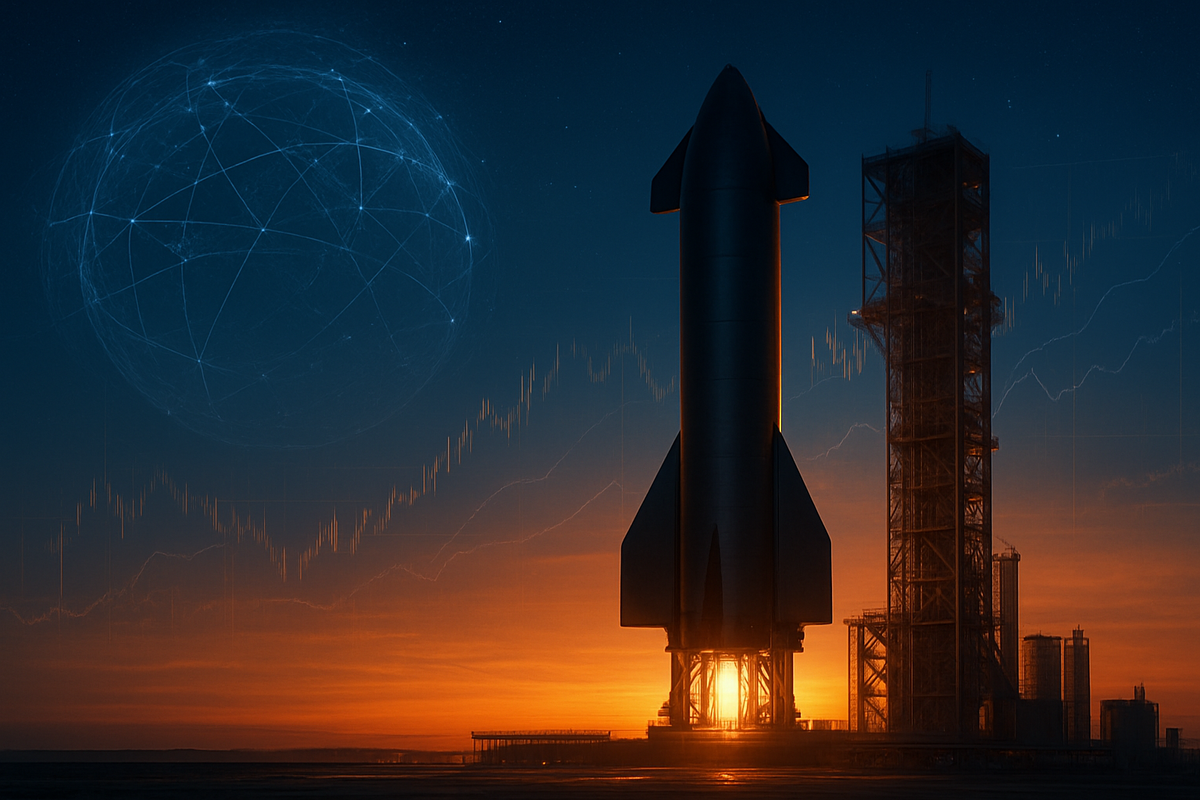
As the market prepares for the June debut, the immediate focus remains on the "Starship" flight schedule. To maintain investor confidence in the $1.75 trillion valuation, SpaceX must demonstrate consistent reliability in its orbital refueling tests, which are crucial for the upcoming NASA Artemis lunar missions. Any significant delay in the Starship program could force the underwriters to trim the valuation or postpone the listing. Additionally, the company is expected to announce a "Retail-First" share allocation program, potentially reserving up to 30% of the IPO for individual investors to ensure a broad base of support—and to mitigate the risk of short-selling from institutional skeptics.
In the long term, the capital raised in this IPO will fund the construction of "Starbase 2" in Florida and the development of the "Terafab" facilities—massive manufacturing plants designed to produce thousands of Starships. The strategic pivot toward becoming a logistics and data provider for the entire solar system is no longer a science fiction dream but a detailed line item in a confidential prospectus. If successful, SpaceX will not only be the largest IPO in history but will also possess the largest war chest ever assembled for the exploration of the final frontier.
Closing Thoughts: A New Era for Investors
The SpaceX confidential IPO filing marks the most significant financial event of the decade. For investors, it offers a rare opportunity to buy into a company that has effectively monopolized its sector while maintaining the growth rates of a startup. The $1.75 trillion valuation is bold, and the $75 billion raise is aggressive, but given the company's track record of defying gravity—both literally and figuratively—few on Wall Street are willing to bet against it.
As we move toward the June 2026 listing date, the market will be watching for the release of the public S-1 filing, which will finally pull back the curtain on the company’s internal margins and the true profitability of Starlink. For now, the "Musk-onomy" is reaching its zenith, and the transition of SpaceX from a private disruptor to a public titan will likely be the defining market story of 2026.
This content is intended for informational purposes only and is not financial advice.