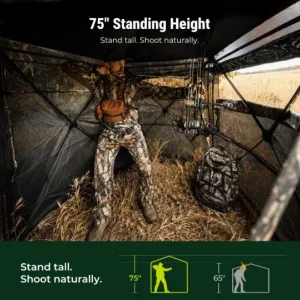
A Tidewe 360 blind can change the way hunters experience long hours in the field by combining concealment with a wider view of the surrounding terrain. Instead of relying on a few narrow windows, hunters can maintain better awareness of what is happening around them while remaining inside the blind. This can be especially useful when hunting deer in areas where movement may come from several directions.
A good hunting blind is more than a simple shelter. It should help you stay hidden, comfortable, and prepared without creating unnecessary movement. Choosing the right design and placing it carefully can make your overall hunting setup more practical.
Why 360-Degree Visibility Matters
Wildlife does not always follow a predictable path. A deer may approach from the side, move behind the blind, or appear in an area that is difficult to monitor from a traditional setup. Limited visibility can make it harder to notice these changes without turning, standing, or moving around.
A 360-degree hunting blind is designed to address this challenge by giving hunters a broader field of view. You can observe more of the surrounding area while remaining in a concealed position.
This wider perspective can also help hunters stay patient. Rather than repeatedly adjusting the blind or looking through different small openings, you can monitor your surroundings from a more natural position.
Concealment Is Still the Priority
Visibility is useful, but concealment remains one of the most important factors when choosing a hunting blind. Deer and other wildlife can notice unusual movement, shapes, sounds, and changes in their environment.
A blind should blend reasonably well with the area where it is placed. Natural vegetation, terrain, and existing cover can all help make the setup less noticeable.
The way you enter and leave the blind also matters. Try to avoid unnecessary movement around the setup, particularly during the periods when animals are most active. Careful preparation before the hunt can reduce the amount of activity you need to perform once you are inside.
Choosing the Right Location for a Deer Blind
Location can have a major impact on how useful your blind becomes. Before setting it up, take time to understand the terrain and identify areas where deer are likely to travel, feed, or stop.
Look for a position that provides a practical viewing area while also offering some natural background cover. Avoid placing the blind directly in an exposed location if it creates an obvious silhouette against the landscape.
Wind direction is another consideration. Hunters should understand how scent may travel through the area and position themselves accordingly.
If you hunt smaller properties or have limited space, a small deer blind can be a practical option. A compact setup may be easier to position in tight areas without taking up more ground than necessary.
How a Hunting Blind Can Improve Comfort
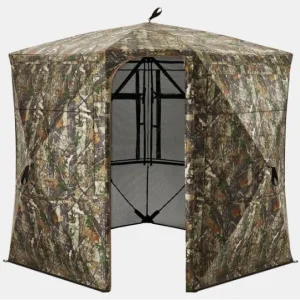
Hunting often involves waiting for long periods, so comfort should not be overlooked. A cramped or poorly positioned blind can make it difficult to remain still and focused.
Consider how much room you need for your chair, hunting equipment, and personal movement. A blind should provide enough interior space for your setup without becoming unnecessarily difficult to transport or position.
Weather protection is another useful consideration. Wind, light rain, cold temperatures, and changing weather can make a long hunt uncomfortable. A suitable blind gives you a more controlled environment while allowing you to concentrate on the surrounding terrain.
FAQ’S
What is the main advantage of a 360-degree hunting blind?
The main advantage is broader visibility. Hunters can monitor more of the surrounding area without repeatedly repositioning themselves.
Is a see-through hunting blind good for deer hunting?
It can be useful because it allows hunters to maintain a wider view while staying concealed inside the blind.
Where should a deer blind be placed?
Choose a location that offers useful visibility, natural background cover, and a position that works with local deer movement and wind conditions.
Are smaller hunting blinds useful?
Yes. A smaller blind can work well on limited properties, in tight terrain, or anywhere a larger blind would be difficult to position.
What to Consider Before Buying a Hunting Blind
Different hunting situations require different features, so it helps to think about your needs before buying.
Field of View
If you hunt in an area where animals can approach from multiple directions, wider visibility can be valuable. Consider how much of the surrounding terrain you want to monitor from inside the blind.
Size
The blind should accommodate your hunting equipment and preferred seating arrangement. However, a larger blind is not automatically better. A compact design can be easier to transport and position.
Setup
Think about how frequently you move your blind. If you regularly change hunting locations, a practical setup process can save time and effort.
Camouflage
The blind should complement its surroundings rather than standing out. Consider the vegetation and terrain where you intend to use it before selecting a camouflage pattern.
Durability
Outdoor equipment needs to handle changing conditions. Look for construction that is suitable for repeated use in the environments where you normally hunt.
Making the Most of Your Blind
Once your blind is positioned, give yourself time to become familiar with the view from inside. Check where your equipment will sit and make sure important areas remain visible.
Keep unnecessary gear organized so you do not have to make frequent movements during the hunt. It is also helpful to prepare your equipment before entering the blind.
Most importantly, remember that a hunting blind is only one part of the overall setup. Good scouting, careful positioning, understanding animal behavior, and patience all contribute to a successful day in the field.
Final Thoughts
A hunting blind should provide a balance between concealment, visibility, comfort, and practicality. A 360-degree design can be particularly useful for hunters who want to observe a wider area without constantly changing their position.
Whether you hunt on a large property or need a compact option for a smaller location, choosing a blind that matches your terrain and hunting style can make long hours in the field more comfortable. With thoughtful placement and proper preparation, the right blind can become a reliable part of your hunting gear for seasons to come.