

(BPT) - From warm floors to fogless mirrors to driveways free of snow and ice, radiant offers countless solutions for energy-efficient comfort, convenience, safety and sustainability.
Have you ever walked into a home and experienced the incredible comfort of radiant floor heating beneath your feet? If you haven't, imagine stepping out of a shower and onto cold tile. Instead of the startling chill, you're able to relax from the warmth radiating from the floor.
That's the beauty and comfort of radiant heating.
In a hydronic radiant heating system, warm water flows through flexible plastic piping called PEX that is installed under or within the floors. The warmth radiates up to surround people and objects in contact with the floor surface, creating a comfortable space that also promotes indoor environmental quality (IEQ).
Air Quality and Energy Advantages
With hydronic radiant heating, pumps quietly circulate water through pipes. This is in stark contrast to traditional HVAC systems that use fans or blowers to push air - along with dust, allergens and odors - through loud and noisy ductwork located in floors, ceilings and walls. In fact, many people with allergies insist on hard-surface floors with radiant heating systems due to the superior air quality of the system.
Radiant systems are also much more energy-efficient than traditional HVAC systems. This is because water has the capacity to transport energy 3,500 times greater than air. Radiant is also more energy-efficient because the warmth stays near the floor, closer to people. In traditional HVAC systems, hot air enters a room and rises to the ceiling.
Also, because radiant systems are designed in zones, different areas of a home can have different temperatures based on need. So, rooms with more use, such as living rooms, can be set to a warmer thermostat setting, while rarely used spaces, such as a guest bedroom, can have a cooler setting.
Hydronic radiant heating systems can be even more energy-efficient when paired with sustainable heat sources, such as geothermal and solar. In fact, these systems can provide a structure with free heat, which is the most energy-efficient form of comfort.
Unique Radiant Applications
While radiant heating is typically used in living rooms, basements, bedrooms and bathroom floors, there are many other applications to consider.
Shower walls can use radiant heating to help keep more warmth in the space. Radiant heating can also be used to keep mirrors from fogging up or provide warmth for towel racks.
Radiant is also a good option for quickly drying entryway floors during rainy seasons. This is not only a comfort benefit, but also a safety solution.
Another unique option is adding radiant heating to kitchen countertops. This distinctive application helps keep hot food warmer for longer periods of time.
Snow and Ice Melting
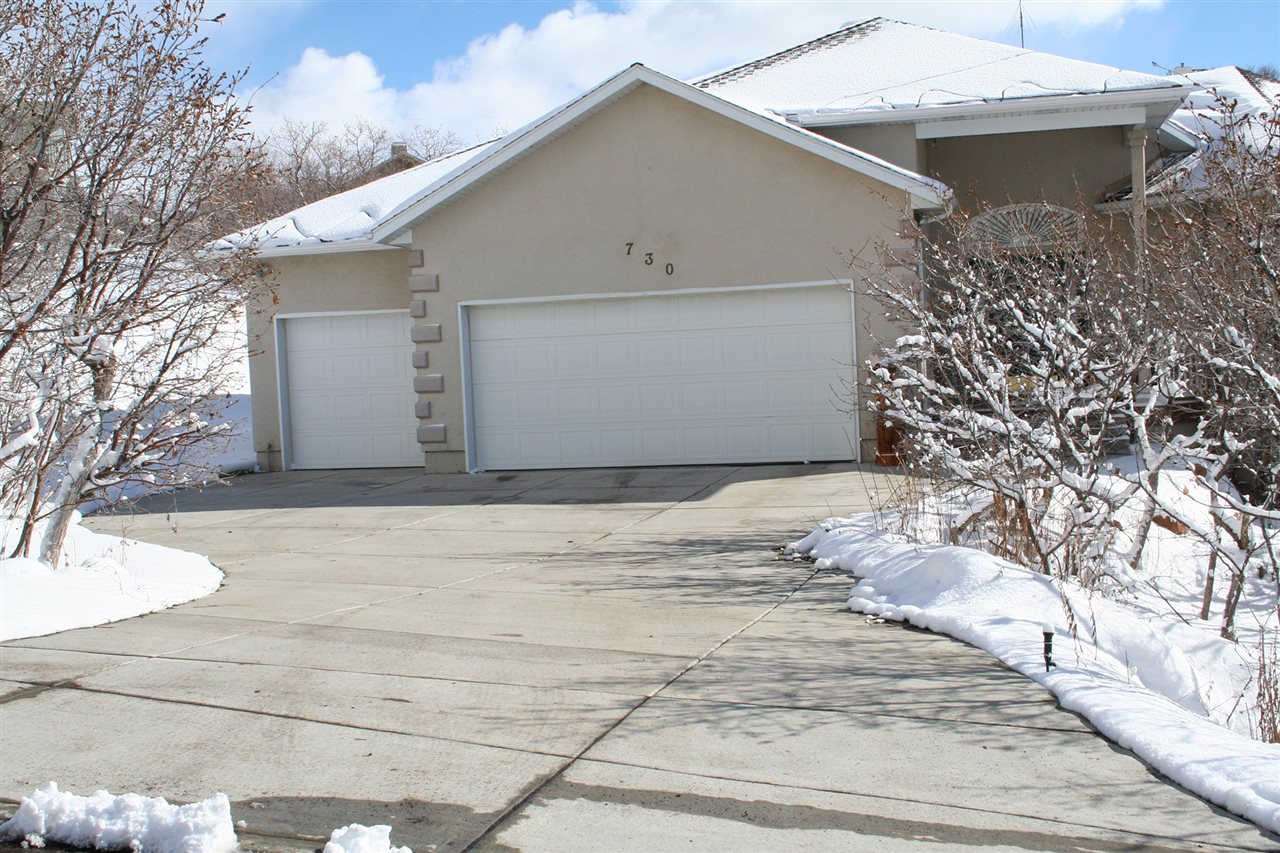
In colder climates, radiant heating can be a game-changer in winter. Instead of doing the laborious task of plowing, shoveling or salting an exterior surface, such as a driveway or walkway, a snow and ice melting system can automatically do the work for you.
These systems can be designed to automatically turn on at the first sign of snow or ice. When the surface warms above freezing, the snow and ice immediately melt on contact. No need to grab a shovel and go out in the cold.
Snow and ice melting systems help extend the life of exterior surfaces, eliminate the expense of salt or sand, and conserve gas and reduce pollution by eliminating the need for snow blowers and plows.
An additional radiant application that provides comfort, convenience and safety includes radiant heating in garages to quickly melt snow and ice off cars. Plus, it offers a warm car to get into on cold winter mornings.
Installing Radiant Into (and Outside) a Home
Whether building a new-construction home or remodeling an existing structure, radiant heating is an option for both. There are several products, controls and systems available to meet any application. However, what is most important is finding a knowledgeable and experienced radiant installer.
A properly designed system is critical for optimal system performance. Radiant heating systems require precise calculations that consider factors such as building load, thermal properties, floor coverings and more to ensure the system will perform efficiently and reliably for decades.
To learn more about radiant heating as well as snow and ice melting systems and to find a radiant installer near you, visit the Radiant Professionals Alliance, HeatingHelp.com or uponor.com.