MOUNTAIN HOUSE, CA / ACCESS Newswire / September 27, 2026 / As organizations continue investing in disaster recovery, replication, and high-availability infrastructure, enterprise architects are increasingly recognizing that protection mechanisms themselves can become sources of operational risk when they grow overly complex. In this exclusive interview, Mallikarjun Vppalapati, Senior Cloud Systems Engineer and enterprise storage specialist, explains why resilient storage environments depend not only on redundancy but also on simplicity, coordination, predictability, and operational discipline.
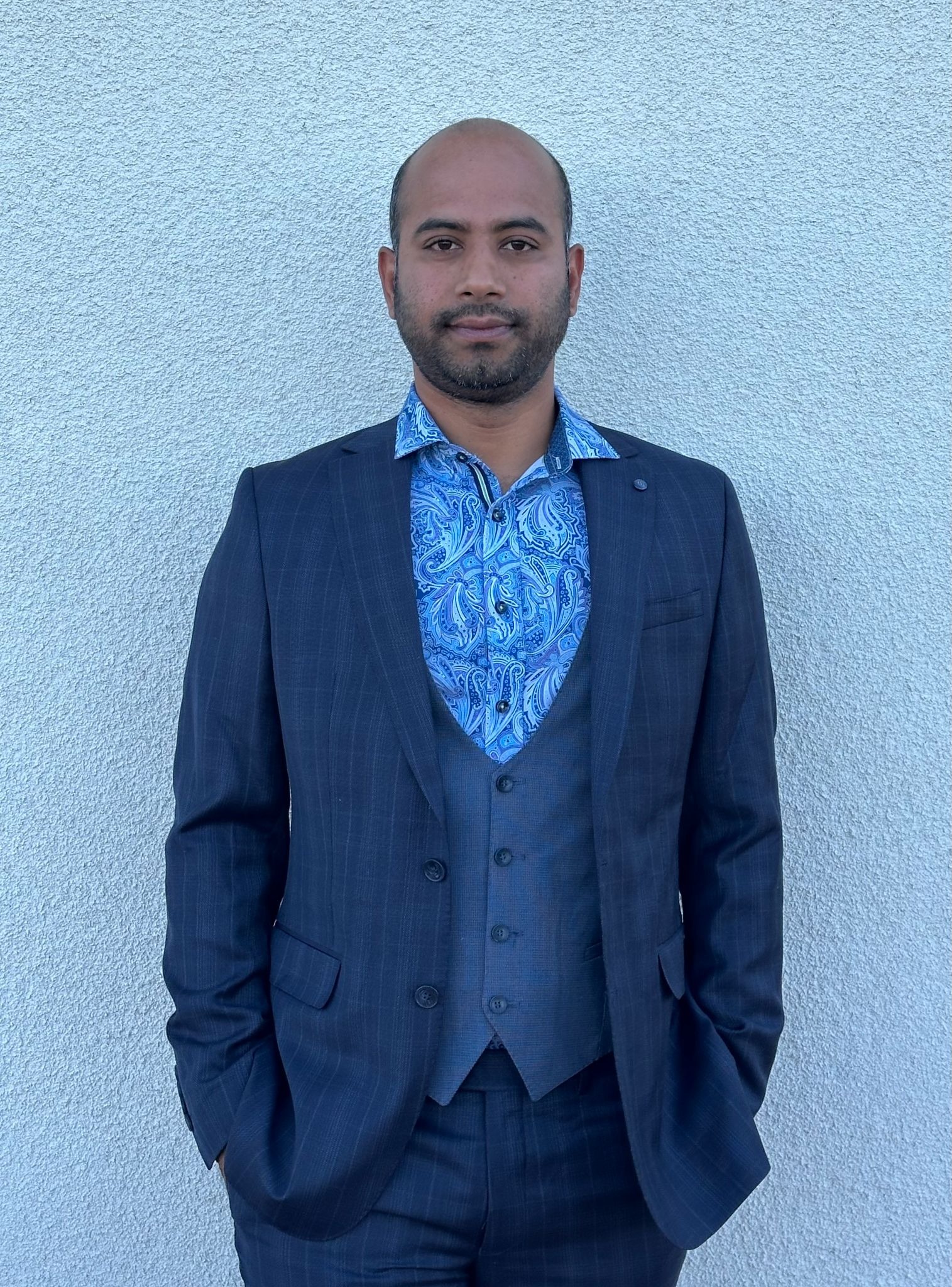
Q: Mallikarjun, you've spent more than 15 years working with enterprise storage systems. What inspired today's discussion about "Rebuild Cascades"?
A: Throughout my career, I've worked with organizations where storage infrastructure supports business-critical applications that simply cannot afford downtime. I use the term "Rebuild Cascades" to describe situations where multiple protection and recovery processes overlap and unintentionally compete for shared infrastructure resources. Instead of accelerating recovery, they can slow it down, consume critical resources, and make troubleshooting significantly more difficult.
I remember one enterprise environment where a storage controller failure triggered RAID rebuilds while asynchronous replication automatically began resynchronizing. At nearly the same time, scheduled backup jobs started and production applications continued operating normally. None of those systems malfunctioned-they were all doing exactly what they were designed to do. The unexpected challenge was that every process competed for the same backend compute, storage, and network resources, extending recovery time and creating performance bottlenecks that were difficult to isolate.
Experiences like that reinforced an important lesson for me: failures rarely become major incidents because of a single hardware fault. More often, it's the interaction between independently designed recovery mechanisms that creates operational complexity. Modern storage architecture isn't only about adding more redundancy-it's about ensuring recovery processes remain predictable, coordinated, and manageable under real-world operating conditions.
Q: What exactly do you mean when you say protection mechanisms can become a risk?
A: Every organization relies on technologies such as replication, snapshots, multipathing, clustered storage, SAN fabrics, and disaster recovery. Individually, each contributes to reliability. However, when these technologies operate simultaneously without careful planning, they may compete for the same compute, network, and storage resources during rebuilds or failover events.
For example, replacing failed storage hardware while replication is resynchronizing and production workloads remain active can significantly increase backend resource contention if those activities aren't carefully coordinated. Similarly, firmware upgrades performed alongside storage migrations or heavy backup operations can introduce additional performance variability if scheduling isn't carefully planned.
The challenge isn't the technologies themselves-each provides significant value independently. The real engineering challenge is understanding how they interact under stress. Recovery planning should include resource prioritization, dependency mapping, and operational sequencing so that protective systems complement rather than compete with one another during critical events.
Q: Your current role involves managing large-scale storage infrastructure. How does that experience shape your perspective?
A: My role involves designing, administering, and modernizing large-scale enterprise storage environments across multiple platforms. My responsibilities include disaster recovery planning, storage lifecycle management, firmware upgrades, SAN administration, capacity planning, performance optimization, and hybrid cloud integration.
Every architectural decision considers not only day-to-day performance, but also how the environment behaves during maintenance windows, hardware failures, software upgrades, disaster recovery testing, and recovery operations. Those scenarios ultimately reveal how resilient an architecture truly is.
One lesson that has consistently shaped my approach is that production environments reveal their true resilience during maintenance windows rather than during normal business hours. Successful architectures aren't measured solely by benchmark performance-they're measured by how predictably they behave during firmware upgrades, controller replacements, disaster recovery testing, and other high-pressure operational scenarios.
Q: You've worked across many industries. What common challenges have you observed?
A: Whether supporting financial services, healthcare organizations, media companies, or technology providers, the challenges are remarkably consistent. Data volumes continue to grow while expectations for continuous availability become increasingly demanding.
Organizations need platforms that remain reliable not only during normal operations, but also during hardware replacement, software upgrades, firmware updates, infrastructure refreshes, and unexpected failures.
Throughout my career, I've participated in enterprise storage refreshes, heterogeneous migrations, SAN modernization initiatives, disaster recovery implementations, and infrastructure optimization projects supporting large-scale business operations. In each case, careful planning, phased execution, and cross-team coordination helped minimize operational risk while maintaining service continuity for critical applications.
Although every organization has unique business requirements, one pattern appears repeatedly across industries: the most successful infrastructure projects devote as much attention to operational planning and cross-team coordination as they do to selecting the right technology. Well-engineered processes often prevent more downtime than additional hardware alone.
Q: Which technologies have been most valuable in building resilient storage environments?
A: Throughout my career, I've worked extensively with enterprise storage platforms, SAN infrastructure, hybrid cloud services, infrastructure automation frameworks, and modern monitoring solutions. Advanced replication and data protection technologies provide strong protection when they're integrated into a well-designed architecture supported by comprehensive monitoring, governance, capacity planning, and operational planning.
Technology alone doesn't create reliability. Architecture, operational discipline, standardized processes, and coordination ultimately determine how well systems perform during recovery.
Organizations often focus on acquiring new technologies, but long-term resilience is more frequently achieved through thoughtful architectural design, regular testing, and well-defined operational procedures.
Q: Automation is becoming increasingly important. How does it improve infrastructure resilience?
A: Automation reduces operational variability by replacing repetitive manual tasks with standardized, repeatable workflows. Using scripting, infrastructure-as-code, and configuration management tools allows organizations to standardize deployments, reduce manual configuration errors, improve consistency across complex environments, and simplify ongoing operations.
In several large-scale environments I've supported, proactive monitoring has identified abnormal latency trends, replication backlogs, and capacity constraints long before users noticed any service degradation. That kind of operational visibility allows infrastructure teams to schedule maintenance more intelligently and resolve emerging issues before they develop into production incidents.
As enterprise environments continue growing in scale and complexity, automation becomes less about reducing effort and more about improving operational consistency and recovery predictability.
Q: You hold several professional certifications. How have they contributed to your career?
A: Professional certifications have broadened my understanding of cloud architecture, enterprise infrastructure design, and storage technologies. They complement hands-on experience by reinforcing architectural best practices, exposing new approaches to solving complex infrastructure challenges, and encouraging continuous learning as technologies continue evolving.
Ultimately, certifications provide a strong technical foundation, but practical experience gained from designing, operating, and modernizing production environments is what transforms knowledge into effective engineering decisions.
Q: Looking ahead, where do you see enterprise storage infrastructure evolving?
A: Modern storage environments are steadily moving toward intelligent, predictive operations. Artificial intelligence and advanced analytics will increasingly identify infrastructure risks before they affect production systems, allowing organizations to prevent incidents rather than simply respond to them.
I also expect storage platforms to become far more workload-aware. Rather than rebuilding every failed component with equal priority, future systems will increasingly optimize rebuild schedules based on application criticality, replication status, business priorities, and available infrastructure capacity. AI-assisted capacity forecasting, autonomous SAN optimization, and intelligent recovery orchestration will become practical capabilities rather than experimental features.
Ultimately, organizations that recover most effectively won't necessarily be those with the greatest amount of redundancy. They'll be the ones that understand how every protection mechanism interacts with the rest of the infrastructure before an incident ever occurs. True resilience comes from designing systems that recover predictably-not merely redundantly.
About Mallikarjun Vppalapati
Mallikarjun Vppalapati is a Senior Cloud Systems Engineer with more than 15 years of experience designing and managing enterprise storage platforms supporting mission-critical business operations. He specializes in enterprise storage architecture, SAN infrastructure, disaster recovery, hybrid cloud integration, infrastructure automation, and storage modernization. Throughout his career, he has led large-scale infrastructure refreshes, disaster recovery implementations, and storage optimization initiatives, helping organizations improve resilience, simplify operations, and maintain continuous business availability.
Media Contact
Website: https://www.linkedin.com/in/mallikarjun-vppalapati
Location: United States
Email: mvppalapati@gmail.com
SOURCE: Mallikarjun Vppalapati
View the original press release on ACCESS Newswire