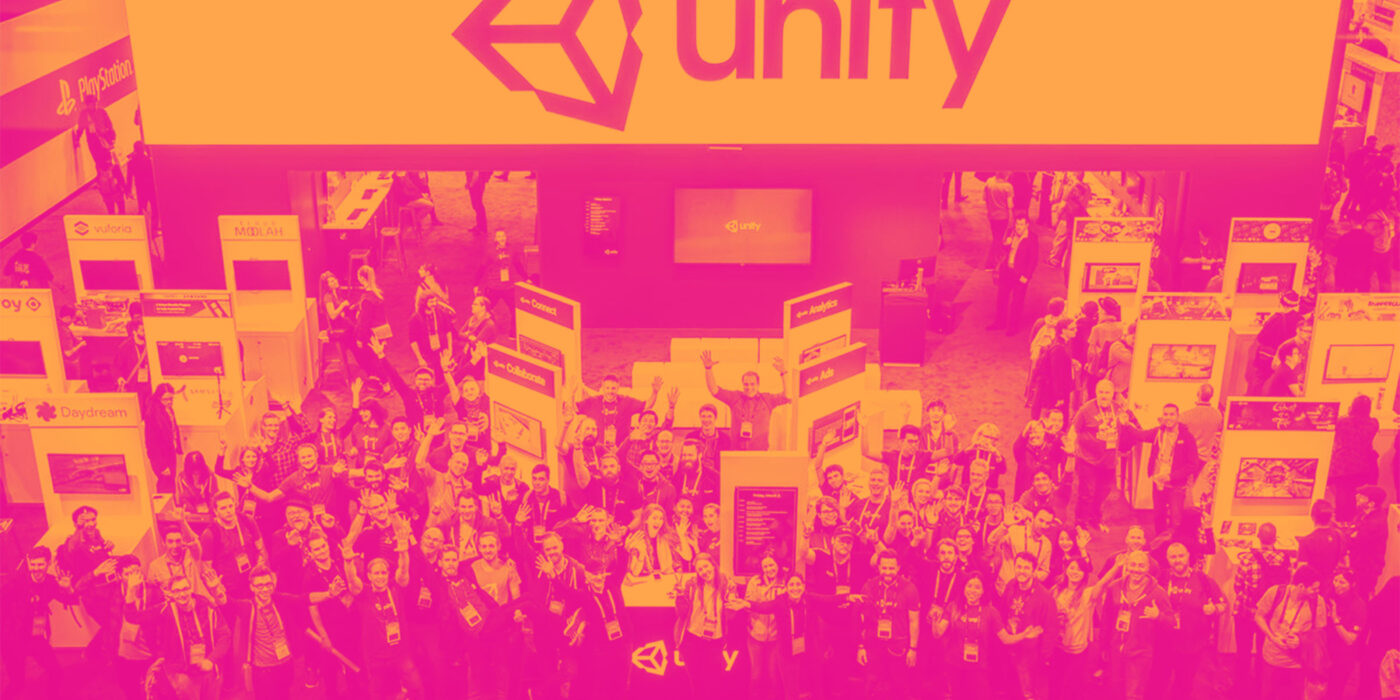
Unity has gotten torched over the last six months - since October 2025, its stock price has dropped 41.8% to $21.61 per share. This may have investors wondering how to approach the situation.
Is now the time to buy Unity, or should you be careful about including it in your portfolio? See what our analysts have to say in our full research report, it’s free.
Why Is Unity Not Exciting?
Even with the cheaper entry price, we're swiping left on Unity for now. Here are three reasons we avoid U and a stock we'd rather own.
1. Weak Billings Point to Soft Demand
Billings is a non-GAAP metric that is often called “cash revenue” because it shows how much money the company has collected from customers in a certain period. This is different from revenue, which must be recognized in pieces over the length of a contract.
Unity’s billings came in at $499.1 million in Q4, and over the last four quarters, its year-on-year growth averaged 3.3%. This performance was underwhelming and suggests that increasing competition is causing challenges in acquiring/retaining customers. 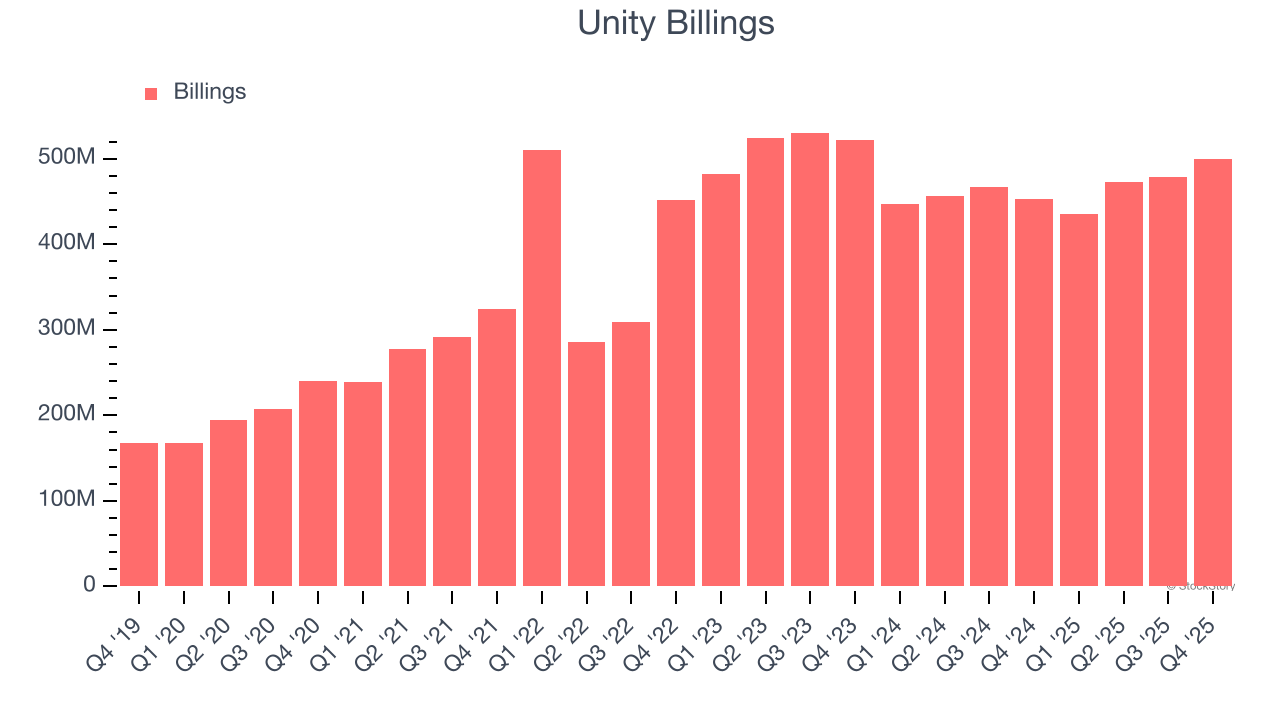
2. Projected Revenue Growth Is Slim
Forecasted revenues by Wall Street analysts signal a company’s potential. Predictions may not always be accurate, but accelerating growth typically boosts valuation multiples and stock prices while slowing growth does the opposite.
Over the next 12 months, sell-side analysts expect Unity’s revenue to rise by 14.2%. Although this projection implies its newer products and services will fuel better top-line performance, it is still below average for the sector.
3. Operating Losses Sound the Alarms
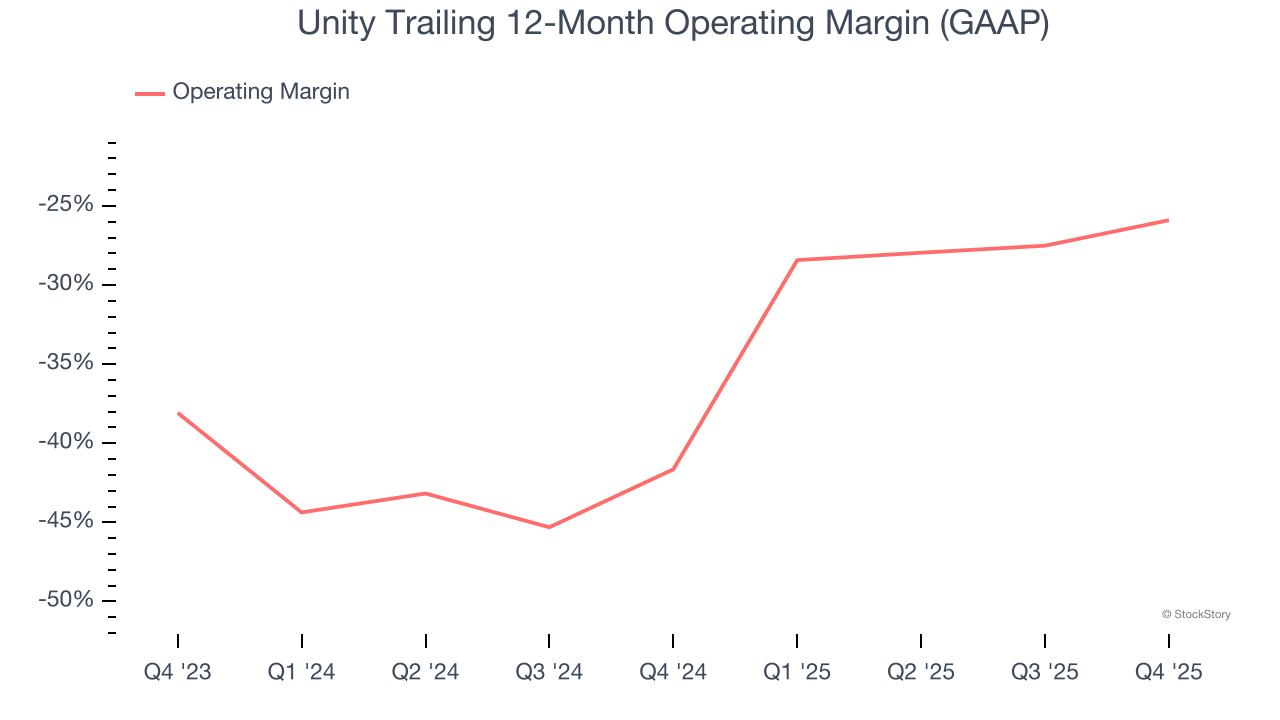
Many software businesses adjust their profits for stock-based compensation (SBC), but we prioritize GAAP operating margin because SBC is a real expense used to attract and retain engineering and sales talent. This metric shows how much revenue remains after accounting for all core expenses – everything from the cost of goods sold to sales and R&D.
Unity’s expensive cost structure has contributed to an average operating margin of negative 25.9% over the last year. Unprofitable, high-growth software companies require extra attention because they spend heaps of money to capture market share. As seen in its fast historical revenue growth, this strategy seems to have worked so far, but it’s unclear what would happen if Unity reeled back its investments. Wall Street seems to think it will face some obstacles, and we tend to agree.
Final Judgment
Unity isn’t a terrible business, but it doesn’t pass our quality test. Following the recent decline, the stock trades at 4.4× forward price-to-sales (or $21.61 per share). Beauty is in the eye of the beholder, but our analysis shows the upside isn’t great compared to the potential downside. We're fairly confident there are better stocks to buy right now. We’d recommend looking at one of our top software and edge computing picks.
Stocks We Like More Than Unity
WHILE YOU’RE HERE: Top 9 Market-Beating Stocks. The best stocks don't just beat the market once. They do it again. And again. Robust revenue growth, rising free cash flow, returns on capital that leave their competition in the dust. The market has already rewarded these businesses.
But our AI platform says the party isn't over. Find out which 9 stocks made the cut this week — FREE. Get Our Top 9 Market-Beating Stocks for Free HERE.
Stocks that have made our list include now familiar names such as Nvidia (+1,326% between June 2020 and June 2025) as well as under-the-radar businesses like the once-small-cap company Comfort Systems (+782% five-year return). Find your next big winner with StockStory today.