China - September 03, 2026 - The global packaging industry is undergoing a gradual shift toward automated production as manufacturers face increasing pressure to improve labor efficiency, packaging consistency, production flexibility, and operating costs. This trend is particularly visible in food, grain, agricultural, chemical, and bulk-material packaging, where automated weighing, filling, bagging, sealing, and palletizing systems are increasingly integrated into production lines.
For importers and packaging project developers, the challenge is no longer simply finding a suitable packing machine. Equipment supplied with similar capacity and specifications can perform differently depending on weighing accuracy, material handling, sealing performance, control systems, maintenance requirements, and the level of line integration.
According to PMMI's 2026 Packaging State of the Industry report, U.S. domestic packaging machinery shipments reached approximately US$11.7 billion in 2025, with the market forecast to grow at a compound annual growth rate of around 5.0% from 2025 to 2031. The report also identifies automation, workforce development, digital tools, retrofits, and end-of-line automation as important areas for packaging operations.
This article examines the major technical and procurement considerations affecting packing machine selection and packaging-line investment.
1. Key Manufacturing Risks in Packing Machine Procurement
Inconsistent weighing accuracy
For products sold or transported by weight, weighing accuracy directly affects material loss and packaging consistency. Variations in product density, particle size, moisture content, and feeding speed can influence filling performance.
Manufacturers should therefore evaluate not only the nominal weighing range but also the weighing system, calibration process, allowable tolerance, and performance under continuous production conditions.
Material characteristics affecting filling performance
Different products require different feeding and filling configurations. Granular products such as rice and grain behave differently from flour, powder, feed, or chemical materials.
A packing machine designed without considering flowability, particle size, dust generation, or moisture content may experience inconsistent feeding, material bridging, dust accumulation, or reduced throughput.
Integration and equipment compatibility
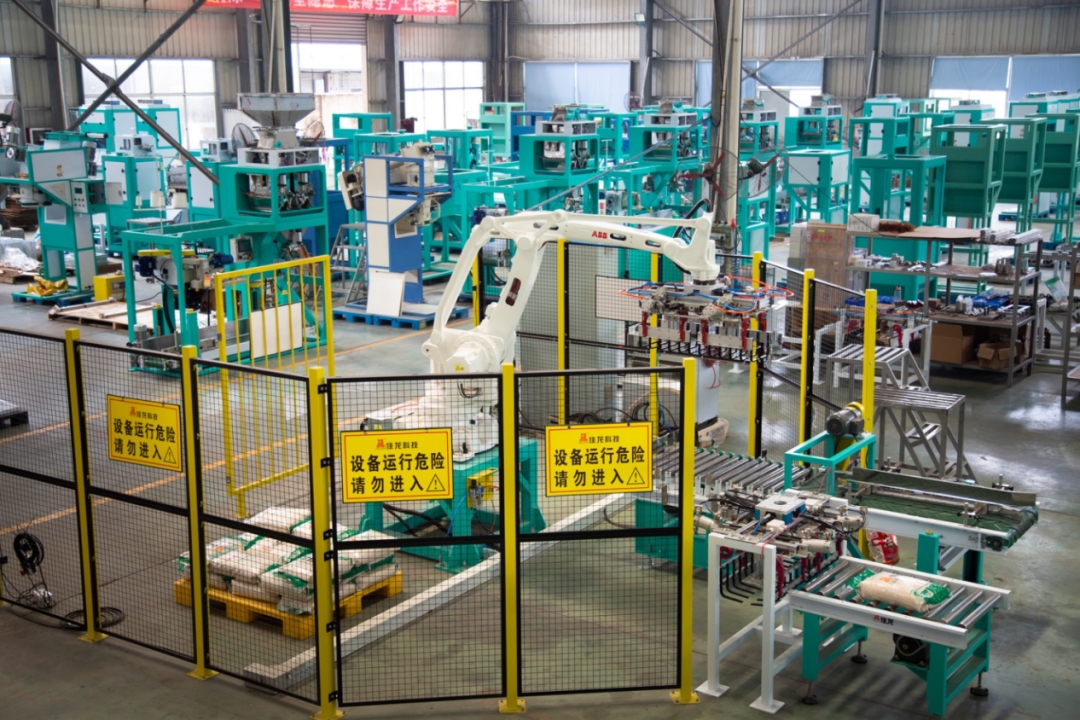
Packaging lines may include weighing systems, bag placing units, filling equipment, sealing or stitching machines, conveyors, metal detectors, checkweighers, and robotic palletizers.
Poor compatibility between individual machines can create bottlenecks even when each machine meets its own technical specification. For this reason, buyers increasingly evaluate complete line integration rather than purchasing individual equipment based solely on machine speed.
2. Technical Benchmarking for Packing Machine Selection
Professional procurement teams generally evaluate automated packing equipment across several technical dimensions.
Weighing and filling accuracy
The weighing system should match the required package weight and product characteristics. Repeatability, calibration stability, feeding speed, and error control are important indicators when comparing equipment.
Packaging speed
Rated output should be evaluated together with actual production conditions. Product properties, bag size, operator involvement, material feeding, and downstream conveying can all affect real production capacity.
Bag handling and sealing
Automatic bag placing, filling, sealing, stitching, and bag transfer systems can reduce manual handling. The appropriate configuration depends on bag material, package size, closure method, and final application.
Control and automation
PLC-based controls, touch-screen interfaces, sensor systems, automatic fault detection, and production parameter management are increasingly common in automated packaging equipment. These functions can simplify operation and provide greater control over production processes.
3. Quality Control in Professional Packing Machine Manufacturing
Reliable equipment manufacturing requires quality control at different production stages rather than relying solely on final inspection.
IQC — Incoming Quality Control
Key electrical, mechanical, pneumatic, weighing, and structural components should be checked against specified requirements before entering production.
IPQC — In-Process Quality Control
Assembly accuracy, wiring, pneumatic connections, weighing-system installation, machine alignment, and control-system configuration should be inspected during production.
OQC — Outgoing Quality Control
Before shipment, the completed packing machine or packaging line should undergo functional testing. Depending on the equipment, this may include weighing tests, empty-bag operation, filling tests, sealing or stitching tests, sensor verification, electrical inspection, and continuous operation checks.
For export projects, production records, testing photographs, equipment specifications, and inspection documentation can also support acceptance procedures.
4. Supplier Evaluation Framework
When comparing packing machine manufacturers, buyers can evaluate suppliers across measurable operational dimensions:
· Factory manufacturing capability and production facilities
· Engineering and equipment-development capacity
· Weighing and control-system technology
· In-house assembly and testing capabilities
· Packaging-line integration experience
· Quality-control procedures and testing records
· OEM and customized equipment capability
· Export experience and after-sales support
· Spare-parts availability and maintenance support
A supplier with broader system-integration capabilities may be more suitable for projects requiring multiple packaging processes to operate as one coordinated line.
5. Procurement Terms and Industry ConsiderationsProduction capacity
Machine capacity should be evaluated according to actual product type, package weight, bag material, and production schedule rather than relying solely on a manufacturer's maximum rated output.
Lead time
Delivery time varies according to machine configuration, automation level, customization requirements, component availability, and whether the project involves a complete packaging line.
Customization
Common customization requirements include:
· Package weight and bag-size adjustment
· Weighing-system configuration
· Filling and feeding-system modification
· Bag sealing or stitching options
· Conveyor layout
· Control-system configuration
· Automatic palletizing integration
· Production-line layout customization
6. Frequently Asked Questions in Packing Machine ProcurementWhat products can an automatic packing machine handle?
The suitable machine depends on the material characteristics. Granular products such as rice, grain, and seeds may use different feeding and weighing systems from powders such as flour or other fine materials.
How should buyers compare packing machine capacity?
Buyers should compare actual output under comparable product, package-weight, and operating conditions instead of relying only on the maximum theoretical speed listed in a specification sheet.
Is a complete packaging line better than purchasing individual machines?
For larger production operations, an integrated line can reduce manual transfer between processes and help coordinate weighing, filling, sealing, conveying, and palletizing. However, the appropriate approach depends on production volume, investment budget, factory layout, and automation requirements.
7. Conclusion for Importers and Packaging Project Developers
The continued development of packaging automation is changing how manufacturers evaluate packaging equipment. Rather than focusing on machine price or nominal speed alone, procurement teams increasingly need to consider weighing accuracy, product compatibility, line integration, quality control, maintenance, and long-term operating requirements.
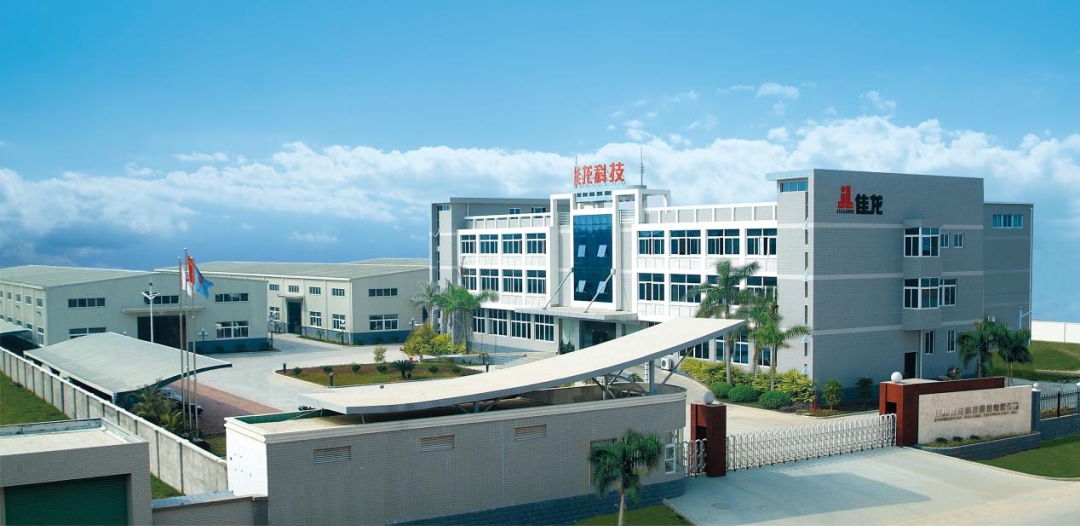
Founded in 2000, Zhangzhou Jialong Technology Inc. specializes in the research, development, and manufacturing of automatic packing machines, bagging machines, vacuum packing machines, weighing systems, conveyors, and integrated packaging solutions. The company serves applications including rice, grain, flour, animal feed, and other bulk materials, with equipment supplied to international markets.
Packing Machine Manufacturing & Packaging Line Video
See Zhangzhou Jialong Technology Inc.'s automatic packing machines and packaging solutions in operation, covering weighing, filling, bagging, conveying, and other automated packaging processes.
The video provides a practical look at the company's packaging equipment and automation solutions, helping buyers better understand machine operation and potential packaging-line configurations.
https://youtu.be/e6adBXkE33U?si=ObSKUSJHgaVu2J3U
Video Link:
About Zhangzhou Jialong Technology Inc.
Zhangzhou Jialong Technology Inc. was established in 2000 and focuses on the development and manufacturing of automated packaging equipment and complete packaging-line solutions. Its product range covers automatic packing, bagging, vacuum packaging, weighing, conveying, and palletizing equipment for different industrial applications. The company's mission is to provide practical and reliable packaging automation solutions that help manufacturers improve production efficiency and packaging consistency.
Media Contact
Company Name: Zhangzhou Jialong Technology Inc.
Contact Person: Jacky Zhang
Email: Send Email
Country: China
Website: https://www.easypackingmachine.com/