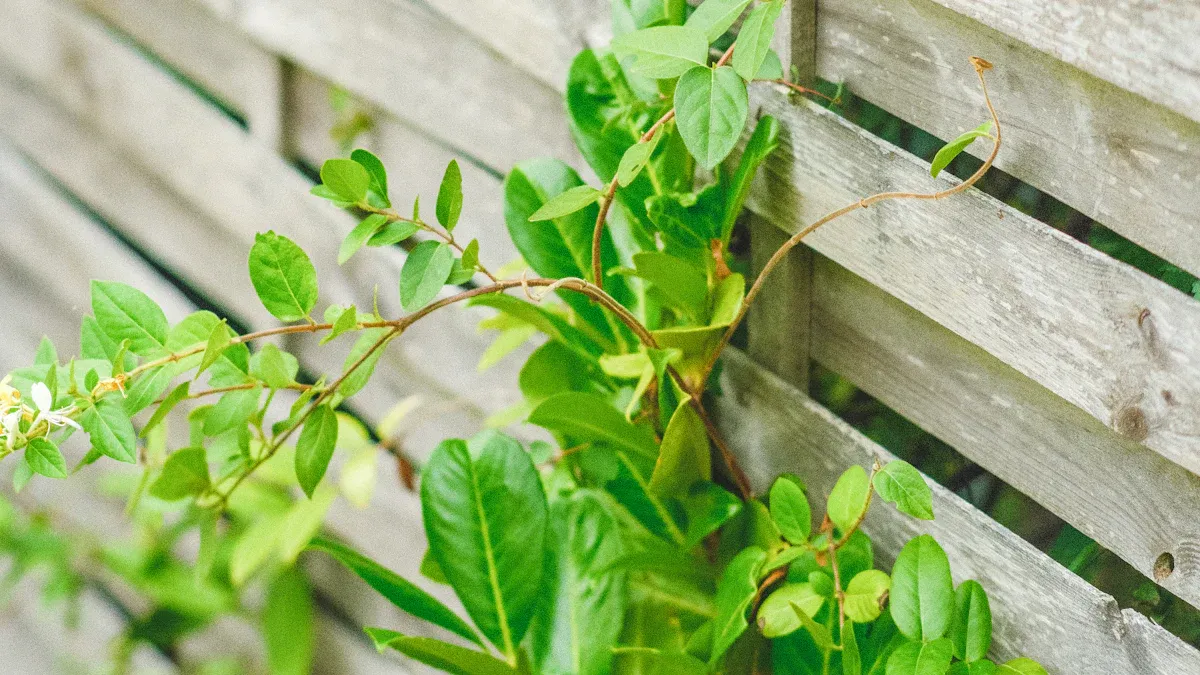
Choosing the right Wpc Garden Fence significantly enhances a property's appeal and functionality. Property owners achieve lasting satisfaction by aligning its features with specific needs and priorities. This informed approach ensures the chosen wpc garden fence delivers both aesthetic value and practical benefits for years to come.
Key Takeaways
- A WPC garden fence makes your home look better and work well.
- Choose a WPC fence that fits your needs and what you want.
- Doing good research helps you pick a fence that lasts and looks nice.
Understanding WPC Garden Fences for Your Home

What is WPC Fencing?
Wpc Fencing, or Wood Plastic Composite fencing, represents an innovative material blending the aesthetic appeal of wood with the resilience of plastic. These fence panels feature a composite nature, typically combining recycled wood fibers, which constitute 50% to 70% of the material, with recycled plastics such as polyethylene (PE), polypropylene (PP), or polyvinyl chloride (PVC). Manufacturers also incorporate additives like dyes, UV stabilizers, and bonding agents to enhance performance. This unique composition results in a material lighter than solid wood panels yet offering superior robustness and stability compared to vinyl.
Key Advantages of a WPC Garden Fence
A WPC garden fence offers numerous benefits for homeowners. Its primary advantage lies in exceptional durability and longevity. Unlike natural wood, which is highly vulnerable to moisture, rot, termites, and UV degradation, WPC is engineered for enhanced resistance to these elements. A well-installed composite fence can last 30 years or more with minimal upkeep, retaining its shape, color, and structural integrity for decades. This significantly surpasses the 10 to 15-year lifespan of a typical wood fence.
Furthermore, WPC fencing provides substantial environmental advantages. It reduces waste and deforestation by utilizing recycled wood fibers and plastics, minimizing the demand for new timber. The manufacturing process requires less energy and results in fewer emissions compared to traditional wood. WPC also requires fewer chemical treatments for protection, reducing the use of toxic pesticides and sealants. Its low maintenance needs mean no regular painting or staining, avoiding harmful substances. Finally, Wpc Fences are recyclable, further contributing to sustainable living.
Critical Factors for Selecting Your WPC Garden Fence
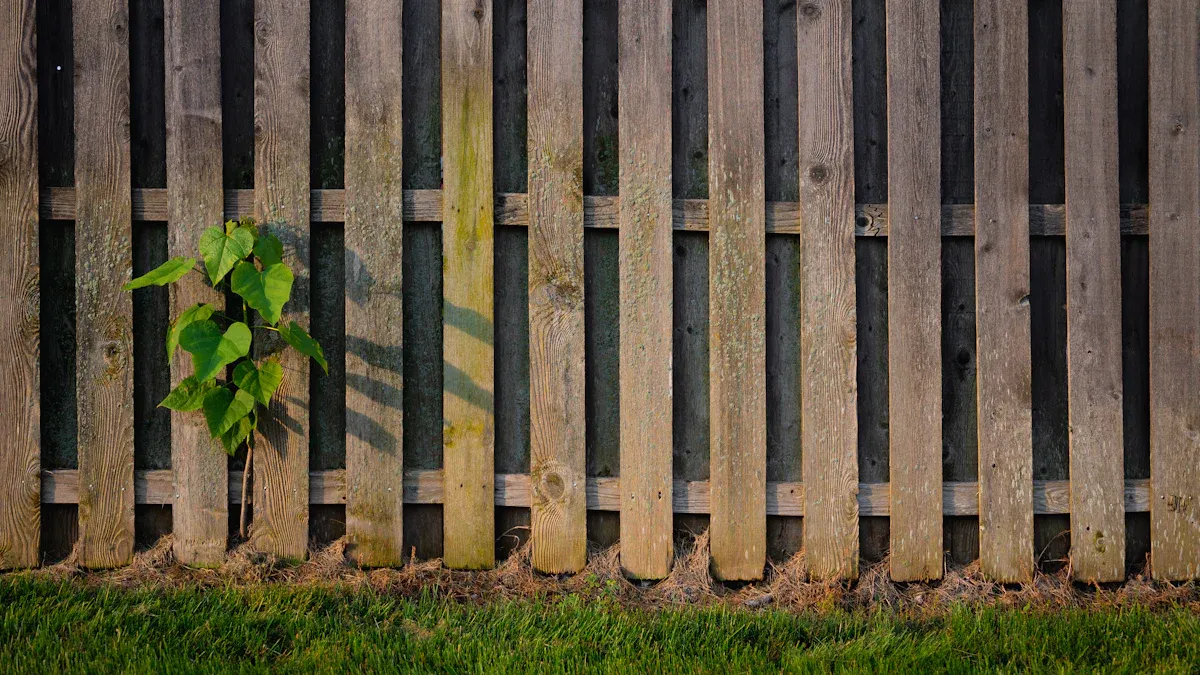
Material Composition and Durability
Selecting a WPC garden fence requires careful consideration of its material composition. This directly impacts the fence's durability and long-term performance. WPC panels combine wood fibers with plastic polymers, creating a robust material. Common wood fibers in these panels include cellulose, wood flour, and sawdust. These natural components give the fence its wood-like appearance and texture.
Manufacturers infuse these wood fibers with various plastic polymers. Polyethylene (PE) is a common choice, known for its low price, flexibility, moisture resistance, and durability, making it suitable for outdoor fencing. Polypropylene (PP) offers a high melting point, which enhances heat resistance and structural integrity. Polyvinyl chloride (PVC) is another key plastic polymer. It contributes to toughness and water impermeability, providing excellent strength, weather resistance, and fire resistance, ideal for construction applications. The specific blend of these materials determines the fence's resistance to environmental factors and its overall lifespan.
Design and Aesthetic Integration
The design and aesthetic integration of your WPC garden fence play a crucial role in enhancing your property's visual appeal. WPC fencing offers significant versatility in design applications. It provides a natural wood-like appearance but with enhanced strength and flexibility. Homeowners can choose from a diverse array of colors, textures, and finishes. This versatility ensures WPC fences complement any garden aesthetic, whether a rustic or contemporary style is desired.
WPC fence panels often utilize 3D embossed wood grain transfer technology. This technology achieves realistic solid wood textures, offering patterns from deep North American redwood to fresh Nordic white oak. Designs also feature hollow carvings and vertical stripes. These elements provide privacy while preventing a sense of spatial confinement. For example, a WPC fence can complement a bamboo landscape in a garden to create a natural, artistic setting.
Current color trends for WPC fences include warm golden browns like Caramel, which brings feelings of home comfort. Rich earthy tones such as Walnut offer maturity and sophistication, matching stone walkways and brick houses. Luxury dark browns like Tropical Walnut duplicate exotic hardwood, creating a resort-style look. Vibrant reds, including Red Bordeaux and Brazilian Cherry, combine boldness with refinement. Warm deep beiges like Brulee blend contemporary and organic elements. Modern grays and blacks, such as Stone Grey, Charcoal, and Ash Gray, provide minimalist or striking options. Light and neutral choices like Sand, Oak, and Silver Birch offer warm, inviting, or contemporary hues. Rustic and natural finishes like Cedar Red, Antique, and Hazelwood blend traditional and modern designs.
Privacy, Height, and Style Options
When selecting a WPC garden fence, consider the level of privacy you desire and the available height and style options. Standard privacy fences typically stand 5-6 feet tall. Taller fences, reaching 6.5-8 feet, offer increased seclusion. The choice of height depends on your specific needs for privacy and local regulations.
WPC fences come in various styles beyond simple panels. Modular designs and customizable colors facilitate the creation of modern and eco-conscious partitions. In private gardens, homeowners can combine WPC with climbing plants to form natural boundaries where wood and greenery coexist. For public spaces like schools, custom designs can convey cultural values through their form. The ability to choose different textures, patterns, and panel orientations allows for a personalized look that enhances the overall garden design.
Installation and Maintenance of a WPC Garden Fence
The ease of installation and minimal maintenance requirements are significant advantages of a WPC garden fence. For DIY enthusiasts, installing a WPC fence involves several straightforward steps. First, plan and prepare by measuring the area and marking fence post locations. Check local regulations and permits before starting. Next, set the fence posts. Dig holes approximately one-third the height of your fence post deep. Place each post into its hole and fill it with concrete mix, ensuring it remains level. Alternatively, use post anchors. Allow the concrete to cure for 24-48 hours for stability.
After the posts are secure, attach the WPC fence panels. Install the bottom rail of the fence to the posts. Slide WPC panels one by one into the grooves of the fence posts, gently tapping if needed. Secure panels with screws at designated points. Install the top rail to complete the structure. For finishing touches, check the alignment of panels and posts with a spirit level and adjust if necessary. Clean up debris and excess materials. Add post caps or decorative features if desired.
Maintaining a WPC fence is simple. For general cleaning, rinse the fence with a garden hose to remove dirt and debris. Gently scrub with a soft brush or cloth-type clear sponge and soapy water. Finish with a final rinse using a garden hose to remove residue. For stubborn stains and growths, use specific methods. For food spills, grease, and oil, use soapy, warm water with a soft-bristled brush; a degreasing detergent may be necessary for tougher stains. Apply a diluted vinegar solution for mold and mildew. For tannin stains, utilize specific composite cleaners or an oxalic acid-based deck brightener, following manufacturer guidelines. Always clean the surface again with mild soap after using specialized cleaning agents.
Maximizing the Value of Your WPC Garden Fence
Assessing Long-Term Investment
Investing in a WPC garden fence offers significant long-term value for property owners. These fences boast an impressive lifespan, typically lasting 25 to 30 years. This longevity far surpasses that of traditional wood fences, which usually last 15 to 25 years. The minimal maintenance requirements of WPC also contribute to its cost-effectiveness over time. Property owners save money on staining, sealing, and repairs. This combination of durability and low upkeep implies a favorable return on investment.
Furthermore, WPC panels significantly enhance a property's curb appeal. Their aesthetic versatility, durability, and sustainable composition make them an attractive choice. Properties with modern, appealing exteriors often sell faster and at higher prices. Installing WPC panels can increase a property's overall value. This signals thoughtful design and longevity to potential buyers, leading to higher offers and quicker sales.
Budgeting for Quality and Longevity
Effective budgeting for a WPC garden fence involves understanding the various cost components. The cost per linear foot for WPC fencing can vary. Standard composite fencing ranges from $11.00 to $26.00 per linear foot. Mid-range options typically cost $23.75 to $37.00 per linear foot. Top-quality composite fences can reach $32.70 to $45.50 per linear foot.
| Fence Type | Cost Per Linear Foot |
|---|---|
| Standard Composite | $11.00–$26.00 |
| Mid-Range Composite | $23.75–$37.00 |
| Top-Quality Composite | $32.70–$45.50 |
Homeowners should also consider potential hidden costs. Professional labor often constitutes about half of the total project expense, averaging around $13–$15 per linear foot for composite fences. DIY projects can save on labor but require tool acquisition and precise layout work. Additional expenses may include permits, site preparation, and dealing with challenging terrain.
Making an informed choice for your WPC garden fence significantly enhances your home's appeal and functionality. Property owners should prioritize their specific needs. They must also conduct thorough research. This approach ensures a durable and beautiful outdoor space, providing lasting satisfaction.
Media Contact
Company Name: Ningbo Yida Wood Plastic Technology Co., Ltd.
Email: Send Email
Country: China
Website: https://www.ydwpcfactory.com/