Sleep is no longer treated as a background activity that simply happens at the end of the day. In recent years, it has become a central topic in conversations about health, productivity, and emotional well-being. As people pay closer attention to how they rest, the products surrounding sleep have come under greater scrutiny. Coop Sleep Goods has emerged within this cultural shift, reflecting broader changes in how consumers approach comfort, customization, and long-term sleep quality.
Rather than focusing on selling a specific solution, examining Coop Sleep Goods offers insight into how modern sleep brands respond to evolving expectations around rest. From adjustable designs to material transparency, the brand represents a wider movement toward intentional and personalized sleep experiences.
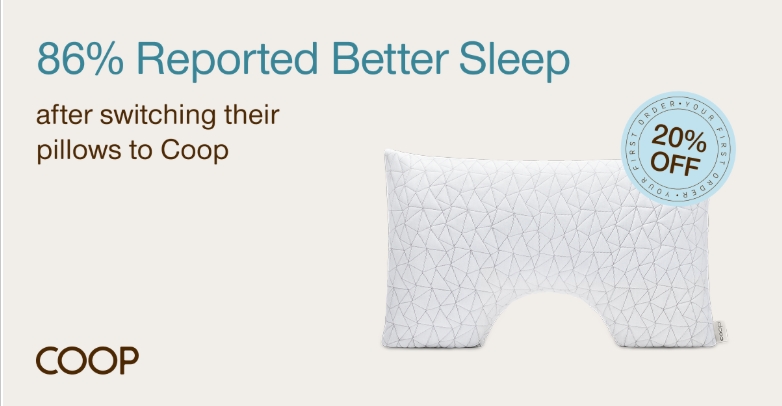
Why Sleep Products Are Being Rethought
Historically, sleep accessories were designed around averages. Pillows and mattresses were produced with fixed shapes and firmness levels, assuming most people could adapt. However, sleep science has repeatedly shown that comfort and spinal alignment vary widely between individuals.
Differences in body structure, sleep position, and even daily stress levels can influence what feels comfortable at night. This has pushed consumers to seek sleep products that accommodate variation rather than ignore it. Coop Sleep Goods sits within this transition, emphasizing flexibility as a response to the diversity of sleepers.
The Importance of Customization in Sleep Comfort
One of the defining trends in modern sleep design is adjustability. Adjustable sleep products acknowledge that comfort is not static; it can change over time or even from night to night.
People experience changes in sleep needs due to:
-
Aging and posture changes
-
Injuries or muscle tension
-
Pregnancy or weight fluctuation
-
Shifts between back, side, and stomach sleeping
The idea of customizing a pillow or sleep surface aligns with how people already personalize other aspects of their lives, such as fitness routines or workspaces. Coop Sleep Goods reflects this broader consumer desire for adaptable solutions that respond to individual comfort rather than enforcing a rigid standard.
Materials, Breathability, and Sleep Environment
Another major area of focus in modern sleep products is material choice. Consumers are more informed than ever and increasingly curious about what they bring into their bedrooms. Breathability, temperature regulation, and tactile feel are now part of mainstream sleep discussions.
Sleep environments that trap heat or lack airflow can disrupt rest, particularly for people prone to night sweats or temperature sensitivity. As a result, materials that encourage airflow and maintain consistency throughout the night are gaining attention.
The growing interest in these features highlights a shift away from purely aesthetic bedding choices toward functional comfort grounded in everyday experience.
Sleep as a Sensory and Psychological Experience
Sleep is not only physical it is deeply psychological. The brain associates certain textures, shapes, and levels of support with safety and relaxation. When these expectations are met, the body can more easily transition into rest.
Adjustable and predictable sleep products can help reduce bedtime anxiety, especially for individuals who struggle with falling asleep. Knowing that a pillow or sleep surface can be modified removes pressure from the sleep process itself.
This sense of control supports better sleep habits by reinforcing consistency and comfort, two key factors in long-term sleep health.
The Role of Feedback and Real-World Testing
Modern sleep brands often rely heavily on user feedback rather than laboratory assumptions alone. Real-world sleep is complex, influenced by environment, routine, and personal habits.
Direct-to-consumer models, which Coop Sleep Goods is part of, allow companies to gather large amounts of user insight over time. This feedback loop helps refine designs and address common complaints such as neck strain, overheating, or uneven support.
While no product can satisfy everyone, this iterative approach reflects a more realistic understanding of how people actually sleep.
Longevity and Sustainable Thinking in Sleep Products
Sustainability in sleep products is often discussed in terms of materials, but longevity is just as important. Items that can be adjusted or refreshed may reduce the need for frequent replacement.
A pillow that adapts over time is less likely to be discarded due to discomfort. Washable components also support hygiene without requiring complete replacement. These design choices align with a growing preference for thoughtful consumption rather than disposable comfort.
This approach positions sleep products as long-term wellness tools rather than short-term fixes.
Understanding the Limits of Sleep Products
It is important to approach sleep goods with realistic expectations. No pillow, mattress, or accessory can compensate for chronic stress, irregular sleep schedules, or untreated medical conditions.
Sleep quality is influenced by multiple factors, including:
-
Light exposure and screen use
-
Diet and caffeine intake
-
Emotional well-being
-
Daily physical activity
Products like those offered by Coop Sleep Goods can support comfort, but they work best when combined with healthy sleep habits.
What Coop Sleep Goods Represents in Modern Sleep Culture
Rather than viewing Coop Sleep Goods solely as a brand, it can be understood as part of a larger shift in how people value sleep. Its popularity reflects increased awareness that rest is foundational to health, not optional or secondary.
The emphasis on personalization, material awareness, and user involvement signals a move toward treating sleep as an active process. This perspective encourages people to observe their own needs instead of accepting discomfort as normal.
Frequently Asked Questions (FAQs)
What makes sleep products like Coop Sleep Goods different from traditional options?
Traditional sleep products are often fixed in design, while modern options focus on adjustability and personalization to accommodate different sleep styles and body types.
Is adjustable sleep support better for everyone?
Not necessarily. Some people prefer consistent firmness. Adjustable designs are most helpful for those whose comfort needs change or who have not found success with standard options.
Can sleep products improve sleep quality on their own?
Sleep products can support comfort, but they cannot replace healthy sleep habits, stress management, or medical care when needed.
How important are materials in sleep comfort?
Materials affect breathability, temperature regulation, and feel. These factors can influence how often a person wakes up during the night.
Do customizable pillows last longer?
They can, especially if they are designed to be refreshed or adjusted rather than replaced when comfort changes.
Is investing in sleep products worth it?
For many people, improved comfort can support better rest, which has long-term benefits for physical and mental health.
Final Thoughts:
The growing interest in sleep products like those from Coop Sleep Goods reflects a deeper cultural change. Sleep is no longer viewed as passive downtime but as an essential pillar of well-being that deserves attention and care.
By focusing on adaptability and user experience, modern sleep brands encourage people to engage more thoughtfully with how they rest. While no single product guarantees perfect sleep, the shift toward personalization empowers individuals to better understand their own comfort needs.
Ultimately, the real progress lies not in any specific brand, but in the recognition that good sleep is worth designing for.
Media Contact
Company Name: Coop Sleep Good
Email: Send Email
Country: United States
Website: https://coopsleepgoods.com/